

We feature items we believe will benefit our audience. If you purchase through links on this page, we may earn a small commission. Here’s how we do it.
Ever felt like finding the perfect allantoin for skin is like trying to find your matching sock in the laundry? Been there, done that, bought the wrong serum! With what feels like a gazillion options out there (okay, maybe I’m exaggerating, but you get the point), it’s totally normal to feel a bit lost in the skincare maze.
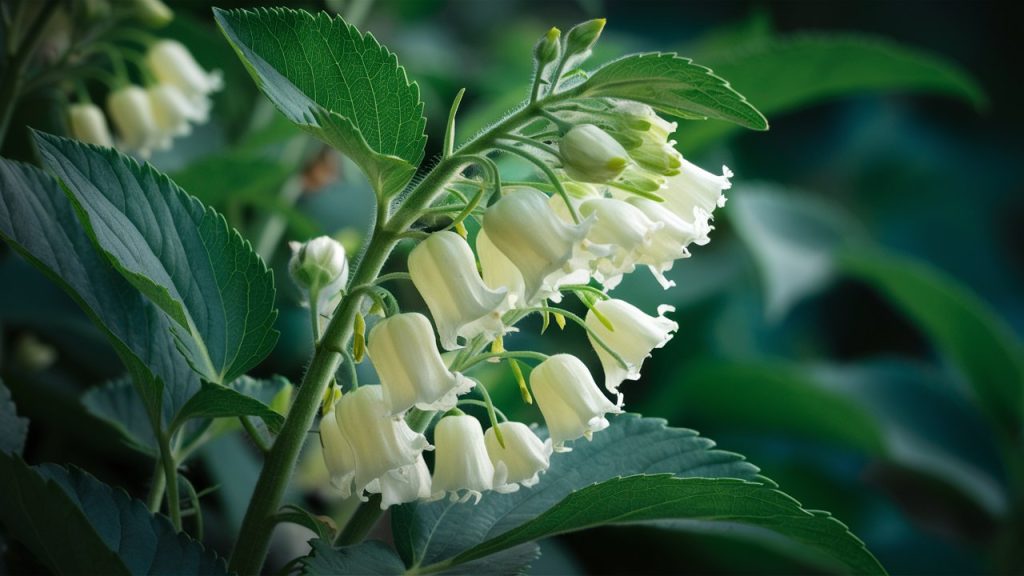
Let me spill the tea about allantoin – it’s basically the shy genius of the skincare world. While other ingredients are out there doing the most on social media (looking at you, retinol!), allantoin is quietly working its magic behind the scenes. Think of it as that super-talented friend who hates the spotlight but can solve everyone’s problems. You’ll find this humble hero chilling naturally in comfrey plants and chamomile, though nowadays it’s often whipped up in labs to keep things consistent (because let’s face it, nobody wants their skincare playing games with them).
Want to know what makes this underdog ingredient so special? Let’s dive into how we sorted through the good, the bad, and the “why does this even exist?” of allantoin skincare products!
in this article
What’s The Deal With Allantoin?
Ever wondered what makes allantoin for skin care such a superstar ingredient? Let me break it down for you in a way that won’t make your eyes glaze over (unlike those chemistry classes from high school)!
The Science-y Stuff (But Make It Fun!)
Picture allantoin as your skin’s personal cheerleader – technically known as C4H6N4O3 (I know, sounds like a robot name!). But don’t let that scary chemical formula fool you! When it comes to allantoin for skin health, this ingredient is gentler than your grandma’s hugs.
Nature’s Gift to Your Skin
Here’s where it gets really cool – allantoin is like the VIP guest at nature’s skincare party! You’ll find it hanging out in:
- The comfrey plant (aka the “knitbone plant” – how cool is that nickname?)
- Chamomile (yep, the same stuff in your bedtime tea!)
- Wheat sprouts (those trendy microgreens aren’t just for your salad)
A Quick History Lesson (Promise It’s Not Boring!)
Get this – allantoin for skin treatment isn’t some trendy new discovery. Our ancestors were totally onto something! Traditional healers have been using comfrey leaves for centuries to speed up healing and soothe irritated skin. Talk about standing the test of time!
Fast forward to today, and scientists have figured out how to create allantoin in labs (because sometimes nature needs a little help being consistent). Whether it’s natural or lab-made, allantoin for skin benefits remains the same – it’s like your skin’s best friend who’s always there when you need them!
What Makes It Special?
Think of allantoin as the Swiss Army knife of skincare – it’s got multiple talents hidden under its humble exterior. It moisturizes, helps skin repair itself, and even gives dead skin cells the gentle boot. No wonder it’s becoming the talk of the skincare town!
The Magic Touch: Benefits of Allantoin for Skin

Let’s talk about why allantoin for skin care is basically your complexion’s new BFF. Spoiler alert: it’s got more talents than a reality show contestant!
Moisture Magic
Okay, picture this: your skin is like a sponge that’s been left out in the sun too long – kind of dry and crusty (yikes!). Allantoin for skin hydration swoops in like a superhero with a water bottle, making sure your skin stays plump and happy. It’s like giving your face a tall drink of water, but better!
The Healing Hero
Ever wished your skin would heal faster after a breakout? Well, allantoin for skin repair is like having a tiny construction crew working overtime. It kicks cell turnover into high gear, helping your skin bounce back faster than you can say “what pimple?”
Calm and Collected
Got angry, red skin that feels like it’s throwing a temper tantrum? Allantoin’s anti-inflammatory powers are like a chill pill for your complexion. It’s especially amazing for anyone whose skin gets offended by basically everything (sensitive skin squad, where you at?).
Gentle Exfoliation Goals
Here’s the cool part – allantoin for skin exfoliation is like having the world’s gentlest sandpaper. It helps slough off dead skin cells without feeling like you’re scrubbing your face with sandpaper. Science folks call this “keratolytic” properties, but I just call it smooth-skin magic!
Sensitive Skin’s Secret Weapon
For those of us blessed (cursed?) with sensitive skin, finding allantoin for skin soothing is like discovering a unicorn. It’s so gentle that even the most dramatic skin types usually get along with it. Think of it as the diplomat of the skincare world!
Pro tip: Look for products that combine allantoin with other soothing ingredients for the ultimate skin-calming cocktail. Your face will thank you later!
The Science Behind the Magic: How Allantoin for Skin Works
Ever wondered how allantoin for skin actually does its thing? Let’s break down the science without making your head spin! Think of it like a behind-the-scenes tour of your favorite skincare superhero.
The Skin Whisperer
Think of allantoin as your skin’s personal motivational coach. When applied to your skin, it doesn’t just sit there looking pretty – it gets right to work! Allantoin for skin renewal actually “talks” to your skin cells, giving them a gentle nudge to step up their game.
Your Skin’s Best Friend (With Benefits!)
Here’s where it gets really cool. When allantoin for skin health meets your complexion, it:
- Smooth-talks dead skin cells into peacefully departing (bye-bye, flakes!)
- Sends a “party invite” to fresh, new skin cells
- Holds water molecules like tiny moisture magnets
- Plays bouncer for irritants trying to crash your skin’s party
The Goldilocks Zone
Want to know the secret sauce? The concentration of allantoin for skin care products is super important – it’s all about finding that “just right” amount. Most products contain between 0.5% and 2% allantoin, and here’s why:
- Less than 0.5%? Might as well be waving at your skin from across the street
- More than 2%? Overkill! Your skin won’t know what to do with the extra
- That sweet spot around 1%? chef’s kiss Perfect!
Think of it like making the perfect cup of coffee – too little won’t wake you up, too much will make you jittery, but the right amount? Pure magic!
Pro tip: When checking your skincare products, look for allantoin in the first half of the ingredients list. That’s where the magic happens!
Is Allantoin Right for Your Skin Type?

When it comes to allantoin for skin care, here’s the million-dollar question: is it right for YOU? Spoiler alert: chances are, it’s a resounding yes! Let’s see why this ingredient might just be your skin’s new bestie.
The “Everyone’s Welcome” Club
Here’s the thing about allantoin for skin health – it’s like that friend who gets along with literally everyone at the party. Whether your skin is:
- Dry as the whole-wheat cracker
- Oily and living its best shine life
- Combination and can’t make up its mind
- Sensitive and throws a fit at everything
- Normal but looking for an upgrade
Allantoin welcomes you with open arms!
Your Skin’s SOS Button
Got skin concerns? Allantoin for skin repair is particularly awesome if you’re dealing with:
- Irritation that won’t quit
- Dryness that drinks up moisturizer like it’s going out of style
- Post-acne marks that overstayed their welcome
- Rough texture that needs a gentle nudge
- General “my skin needs a hug” situations
Safety First (Because We’re Responsible Adults)
Here’s the best part about allantoin for skin treatment – it’s basically the gentle giant of skincare. The safety profile is so good, it could probably run for office! Side effects are super rare, but like with any skincare product, there’s always a tiny chance of:
- Mild irritation (usually if you’re using too much)
- Slight redness (typically temporary)
- A brief “getting to know you” phase
So if you’re new to allantoin, start slow and do a patch test. Your skin might be sensitive, but allantoin is usually the last ingredient to cause drama!
Remember: While allantoin for skin improvement is generally amazing for everyone, if you have specific skin concerns or conditions, it never hurts to get a thumbs up from your dermatologist first. Better safe than sorry, right?
Finding Your Perfect Allantoin Match
Ready to add allantoin for skin care to your beauty routine? Let’s play matchmaker and find your perfect product soulmate! Trust me, there are more options than fish in the sea (and they’re probably better behaved).
Product Types That Love Allantoin
Allantoin for skin shows up in all sorts of products, like the social butterfly it is:
- Moisturizers (the most common hangout spot)
- Serums (for that concentrated goodness)
- Toners (keeping it fresh and balanced)
- Face masks (spa day, anyone?)
- Body lotions (because your body deserves love too!)
Fitting It Into Your Routine
Adding allantoin for skin health to your routine is easier than meal prepping (and way more fun!). Here’s the scoop:
Morning Routine:
- Cleanse (obviously!)
- Apply your allantoin toner or serum
- Lock it in with an allantoin-enriched moisturizer
- Don’t forget SPF! (Allantoin plays nice with sunscreen)
Evening Routine:
- Double cleanse (bye-bye, day’s drama)
- Layer on that allantoin serum
- Seal the deal with a rich allantoin moisturizer
The Perfect Partner Ingredients
Allantoin for skin care is like the perfect roommate – gets along with everyone! It vibes especially well with:
- Hyaluronic acid (hydration station!)
- Niacinamide (power couple alert)
- Panthenol (double the soothing power)
- Glycerin (moisture for days)
- Ceramides (barrier besties)
Look for products that combine allantoin with at least one of these BFF ingredients. It’s like getting a 2-for-1 deal on skin benefits!
When it comes to allantoin for skin improvement, consistency is key. Use it regularly, and your skin will thank you with that healthy, happy glow we’re all after!
Popular Products Featuring Allantoin
Let’s explore some real-world champions that harness allantoin for skin benefits! Here’s your curated shopping list of products that put this powerhouse ingredient to work.
Drugstore Heroes
- Eucerin Advanced Repair Cream ($12) is a deeply moisturizing formula enriched with allantoin, ceramides, and natural moisturizing factors that are perfect for relieving tight, flaky patches. This fragrance-free cream delivers 48-hour hydration and helps restore the skin’s natural barrier.
- La Roche-Posay Cicaplast Baume B5 ($17) This cult favorite combines allantoin with panthenol for next-level soothing power.
Mid-Range Must-Haves
- Paula’s Choice Calm Redness Relief Toner ($24) Perfect for sensitive souls! Allantoin for skin calming teams up with chamomile here.
- First Aid Beauty Ultra Repair Cream ($35) A winter skin savior that pairs allantoin with colloidal oatmeal. Your dry skin’s new BFF!
Luxury Loves
- Augustinus Bader the Rich Cream ($98): The splurge option where allantoin mingles with the brand’s patented TFC8 technology.
Hidden Gems
- Etude House Soon Jung 2x Barrier Intensive Cream ($14) K-beauty’s answer to sensitive skin, featuring allantoin and panthenol.
- Avène Cicalfate+ Restorative Protective Cream ($28) A French pharmacy favorite that pairs allantoin with thermal spring water.
Start with the drugstore options – they often pack just as much punch as their pricier cousins! Remember, when it comes to allantoin for skin care, it’s not about the price tag but the formulation.
Note: Prices are approximate and may vary by location and retailer. Always check the current formulation as brands occasionally update their ingredients!
Final Thoughts
Let’s wrap this up with the juicy stuff! Allantoin for skin care is truly the unsung hero of the beauty world – think of it as your skin’s secret weapon for achieving that “I woke up like this” glow. Whether you’re dealing with sensitivity, dryness, or just want to maintain healthy skin, this gentle giant has got your back.
Here’s the real tea: allantoin for skin health isn’t just another trendy ingredient – it’s a tried-and-true superstar that’s earned its spot in your skincare routine. From its moisturizing superpowers to its gentle exfoliating abilities, it’s like having a Swiss Army knife for your skin concerns. The best part? It plays well with others, making it super easy to incorporate into your existing routine.
Ready to give allantoin for skin improvement a shot? Start with a basic moisturizer containing this wonder ingredient, and watch your skin transform. Trust me, your future self will thank you for making this smart skincare choice!
FAQs About Allantoin for Skin
Is allantoin for skin safe during pregnancy?
Yes, allantoin for skin care is generally considered safe during pregnancy. Unlike ingredients like retinoids or certain acids that doctors recommend avoiding, allantoin for skin is gentle and non-irritating, making it a great option for expecting mothers dealing with sensitivity or dryness. However, as with any skincare change during pregnancy, it’s always best to consult with your healthcare provider first.
Can allantoin for skin cause breakouts?
Allantoin for skin is actually unlikely to cause breakouts – in fact, it’s non-comedogenic and often included in products specifically formulated for acne-prone skin. Many users find allantoin for skin treatment helps soothe post-breakout inflammation and aids in healing without clogging pores. Its gentle nature makes it suitable even for those with reactive skin conditions.
How quickly will I see results using allantoin for skin?
When using allantoin for skin improvement, most people notice immediate soothing effects, especially if dealing with irritation or redness. For more substantial benefits like improved texture and enhanced barrier function, consistent use of allantoin for skin care over 2-4 weeks typically yields noticeable results. Like most skincare ingredients, patience and regularity are key to seeing the full benefits.
Can I use vitamin C with allantoin for skin?
Absolutely! Allantoin for skin works harmoniously with vitamin C and many other active ingredients. While vitamin C provides antioxidant protection and brightening effects, allantoin for skin adds soothing and healing properties to the mix. This combination can be particularly effective for addressing post-inflammatory hyperpigmentation while keeping irritation at bay.
What percentage of allantoin for skin is most effective?
Products containing 0.5-2% allantoin for skin tend to offer the most benefits without risking irritation. While higher concentrations of allantoin for skin can be found in some medical-grade products, research shows that the sweet spot lies around 1% for daily use. This concentration delivers optimal soothing and healing properties while maintaining excellent tolerability across different skin types.
Leave a Reply